816 Acres: How Google's Finland Forest Clearing Displaced Wolves into Villages
Unauthorized excavation for AI infrastructure has turned 1,300 acres of woodland into mud, forcing local wolf packs to roam into nearby settlements.
By Kendra Konchanuk ·
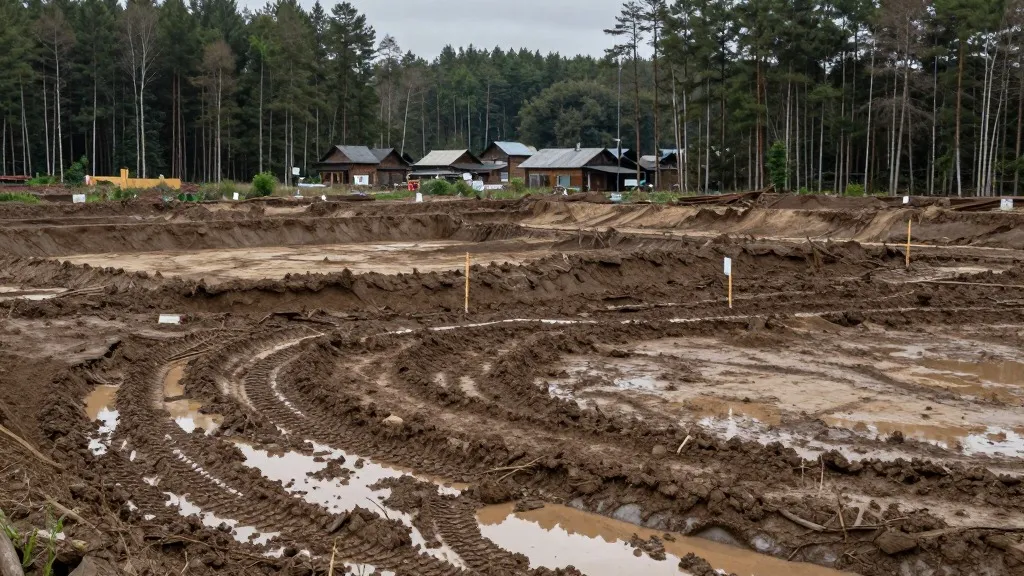
The rapid expansion of artificial intelligence infrastructure has sparked intense debate over the environmental costs of data center construction in Europe. Today, a new report highlights the tangible consequences of this build-out in Finland, where unauthorized land clearing has disrupted local ecosystems and pushed wildlife into human habitations.
Google’s country manager for Finland has issued an apology for the unauthorized clearing of forests near the village of Muhos. The excavation has transformed 816 acres of woodland into a vast expanse of mud. Additionally, regulators have ordered the company to halt work on another roughly 500 acres of cleared forest located 55 miles southeast of Otanmäki. In total, approximately 1,300 acres of forest have been affected by these operations, which were intended to support new AI data centers.
The immediate ecological impact has been a significant shift in local wildlife behavior. Wolves that previously resided in the cleared forests are now roaming into neighboring villages. This displacement has raised serious safety concerns for residents who are unaccustomed to such close proximity with large predators. The shift in animal migration patterns is a direct result of the habitat loss caused by the construction activities.
Anni Ranta, a 53-year-old resident of Otanmäki whose family has lived in the area for generations, described the situation as a direct consequence of the construction. "We had wolves coming into the village because all the wild animals moved out of the forest," Ranta stated. She expressed concern that the presence of U.S.-owned data centers could also make the region a more attractive target for Russian aggression, adding a geopolitical layer to the local environmental dispute.
Local frustration extends beyond the presence of wolves. Residents have reported a range of other issues, including persistent construction and factory noise, streams turning brown from runoff, and the displacement of rare bird species. These grievances reflect a broader pattern of environmental complaints seen in other regions where AI data centers are being developed, suggesting that the rapid pace of construction is often prioritized over local ecological stability.
Regulatory bodies have taken notice of the irregularities. The Finnish Licensing and Supervision Authority (LVV) issued an order requiring Google to cease development activities near both Muhos and Otanmäki. A representative for the Finnish Association for Nature Conservation (SLL) characterized Google’s handling of environmental policy as unprecedented and clear in its deviation from established regulations. This regulatory intervention marks a significant escalation in the conflict between the tech giant and local oversight agencies.
Despite the regulatory orders and local outcry, Google has maintained a cooperative stance. A company spokesperson stated, "We will fully comply with LVV’s requests in this matter." The spokesperson added that the company looks forward to maintaining an active and open dialogue with authorities to strengthen its partnership with Finland and local organizations. Google appears to be banking on the economic benefits promised by the data centers to sway regulators and the government in its favor.
This incident is not the first time the Finnish government has intervened in Google’s construction plans. Earlier this month, the LVV gave notice to stop construction activities in Muhos and Kajaani, which is near Otanmäki. The continued friction between the company and local stakeholders highlights the growing tension between global tech ambitions and regional environmental protections.
As the work halts, the focus now shifts to remediation and the long-term impact on the local ecosystem. The question remains whether the economic gains from the AI data centers will justify the environmental disruption and the social friction caused by displaced wildlife. For now, the muddy expanses where forests once stood serve as a visible reminder of the high stakes involved in the AI infrastructure race.
Source: Tom's Hardware