A Quarter-Century Ago, a $399 Card-Sized Device Changed How the World Carried Music
The launch of the original iPod in 2001 solved the problem of portable storage, allowing users to carry 1,000 songs in a device smaller than a smartphone.
By Valentina Cruz ·
Twenty-five years ago this month, the music industry was fundamentally altered by a small, white device that promised to fit a user’s entire musical history into the pocket of a jacket. On October 23, 2001, Apple CEO Steve Jobs unveiled the original iPod, a gadget that would become the defining accessory for a generation before the smartphone eventually absorbed its function.
The core promise was simple but radical: for $399, consumers could own a portable player capable of holding 1,000 songs. This was not a minor improvement over existing technology; it was a leap in capacity that made the concept of a 'portable music library' a tangible reality for the average person.
At the time of the launch, Apple was in the midst of a significant corporate revival. Having moved beyond its beige computer era with the success of the iMac and iBook, the company was positioning itself as the hub for digital life. Jobs argued that the Mac could unite various digital devices, including cameras and DVD players, but he identified music as the most accessible entry point. He noted that while competitors like Sony and Creative had portable players, none had yet perfected the user experience for digital music.
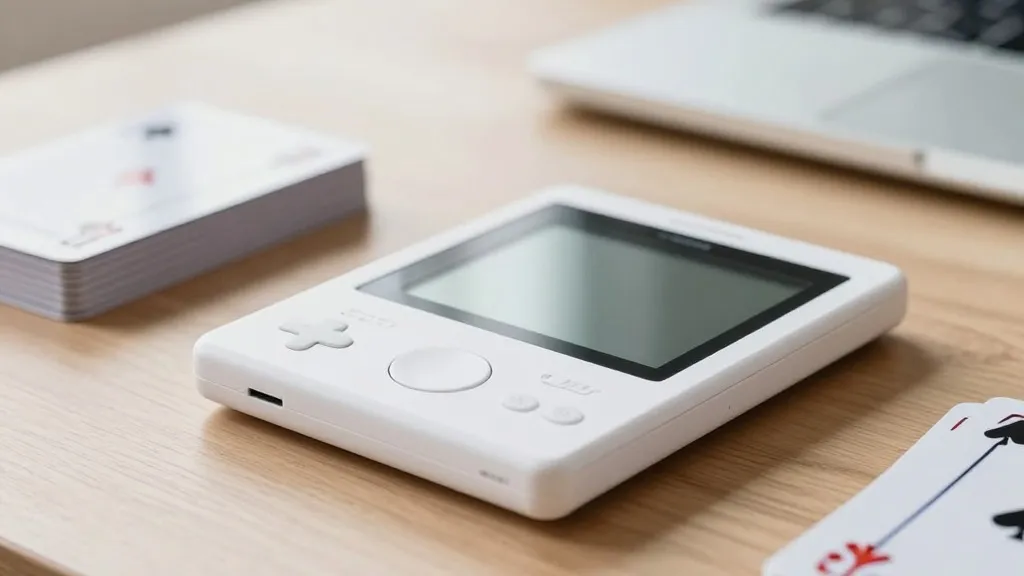
The engineering behind the device relied heavily on a specific component: a 1.8-inch hard drive manufactured by Toshiba. This drive was only 0.2 inches thick, allowing Apple to create a device just 0.78 inches deep. The final product measured 2.4 by 4 inches, roughly the size of a standard deck of playing cards, and weighed 6.5 ounces. Jobs emphasized that it was lighter than most cell phones available at the time, a critical factor for daily carry.
The device’s connectivity was also a major selling point. It featured a FireWire 400 port, which was marketed as the 'first and only' music player with this connection. The speed difference was stark; transferring a single CD’s worth of data took five to 10 seconds via FireWire, compared to approximately five minutes over a standard USB connection of that era. Filling the device with 1,000 songs could be done in about 10 minutes, a task that would have taken five hours on competing USB players.
Beyond speed, the iPod offered 10 hours of continuous playback on its rechargeable lithium-polymer battery. Apple claimed the battery could be recharged to 80% capacity in just one hour. The interface was designed for one-handed operation, featuring a scroll wheel with tactile feedback that allowed users to quickly navigate playlists, artists, or specific tracks without fumbling with menus.
The launch was accompanied by the release of iTunes 2, which introduced auto-sync capabilities. This feature ensured that any library curated on a Mac would automatically mirror to the iPod whenever it was connected for charging or data transfer. The device also functioned as a FireWire hard drive, adding utility beyond just music playback. During the keynote, the first song played was 'Building a Mystery' by Sarah MacLachlan, demonstrating the system's responsiveness.
The iPod’s dominance lasted for more than a decade, coexisting with the iPhone, which launched in early 2007. However, as smartphones matured, the need for a dedicated music player diminished. The final model, the 7th-generation iPod Touch, was released in May 2019. Although the product line was left without updates for several years, it was officially discontinued in May 2022, closing the chapter on a device that had defined portable audio for a quarter-century.
Source: Tom's Hardware