White House pushes AI giants to pay local energy bills
President Trump has called for a new mandate requiring data center operators to return financial value to nearby towns, aiming to reduce community resistance to massive infrastructure projects.
By Marcus Johnson ·
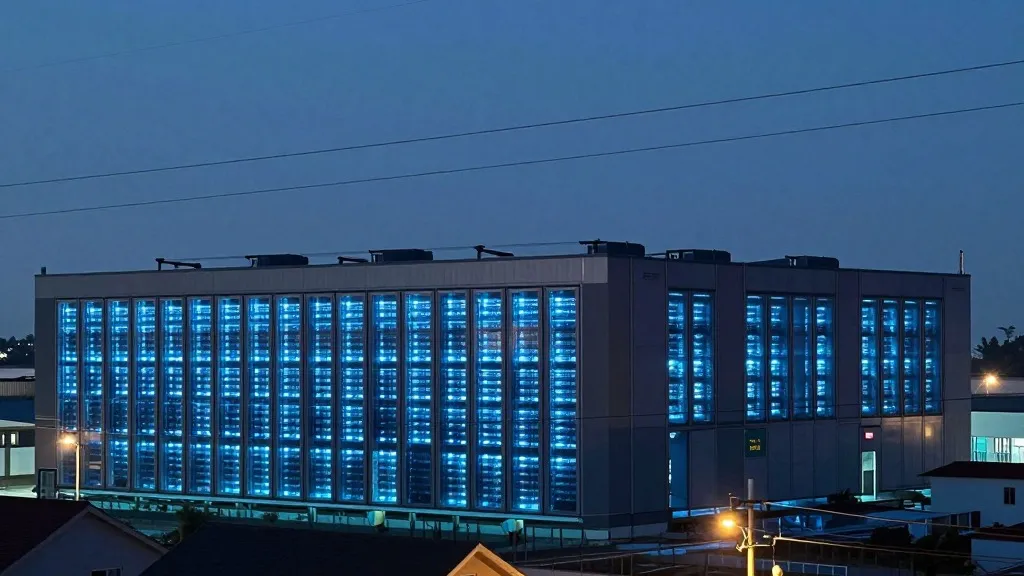
A fresh tension has emerged between the rapid expansion of artificial intelligence infrastructure and the residents living in its shadow. Small towns across the United States have grown increasingly vocal in their opposition to new data center builds, citing a litany of local burdens. From skyrocketing electricity rates to noise pollution and water strain, the community impact has become a central political issue. In response, President Donald Trump has proposed a financial mechanism designed to buy goodwill from these neighborhoods.
The President took to Truth Social to outline his vision, demanding that AI hyperscalers and data center builders provide a direct dividend to the communities they affect. The goal is clear: make the presence of these facilities more palatable by offsetting the cost of energy usage. Trump warned that future mandates would require these companies not only to generate their own power, a stance he has previously championed, but also to feed excess electricity back to the local grid or sell it to residents. This move is intended to prevent price hikes or even drive local costs down.
The administration remains focused on maintaining a lead in the global AI race against China. To do so, it needs to secure public support for the massive infrastructure projects required to build that lead. By requiring data centers to pay something back, the White House hopes to win back favor with the towns that are bearing the brunt of this technological boom. The specific details of how this dividend will be structured are still unclear, but the focus on electricity suggests a direct link to the rising utility bills that have fueled much of the local discontent.
This proposal builds on a recently passed act that already requires data centers to cover the cost of necessary grid upgrades. Previously, these infrastructure costs were often passed on to local taxpayers. The new energy mandate aims to go a step further by ensuring that the power generated by these facilities benefits the immediate vicinity. If successful, the excess electricity from data center generation could lower costs for homes and businesses located near these sites, addressing one of the most visible pain points for residents.
Trump argued that financial incentives can transform public perception. He noted that data centers, which were once highly unpopular in certain areas, became extremely popular once a financial deal was struck. In his closing remarks, he urged industry leaders to "MAKE DEALS, and get them built!!!" This approach suggests that the administration views community opposition as a solvable economic problem rather than a purely environmental or logistical one.
However, significant questions remain about the practicality and longevity of this plan. Critics point out that the term dividend implies a return on profit, which is rare for new data center builds that are still recouping massive construction costs. Furthermore, the short-term power generation strategy for many of these facilities relies heavily on gas-powered generators. These units are often noisy, inefficient, and polluting, which may limit the perceived benefit of the energy dividend for neighbors living in close proximity to the equipment.
The economic aspect is only one facet of the broader challenge. Even if energy costs are subsidized, other major issues persist. Data centers consume enormous amounts of water and can cause significant ecological damage and air pollution. These factors continue to make AI data centers a difficult sell in many communities, regardless of any financial compensation. The administration faces the task of balancing its aggressive infrastructure goals with the very real environmental and social costs borne by local populations.
It is still unclear whether this financial gesture will be enough to win over skeptical communities. The mandate relies on voluntary or semi-mandatory deals that may not always be in the best interest of either party. As the industry races to build capacity, the pressure on local grids and resources will only intensify. The coming months will likely reveal whether this energy dividend is a meaningful tool for community engagement or a symbolic gesture that fails to address the core grievances of those living next to the machines.
Source: Tom's Hardware