AI Data Center Plans Dropped as Local Backlash Forces Amazon to Repurpose Campus Land
Amazon is swapping four planned data centers in Loudoun County for mixed-use housing and a community arts center after intense pressure from residents over noise and energy concerns.
By Mariana Delgado ·
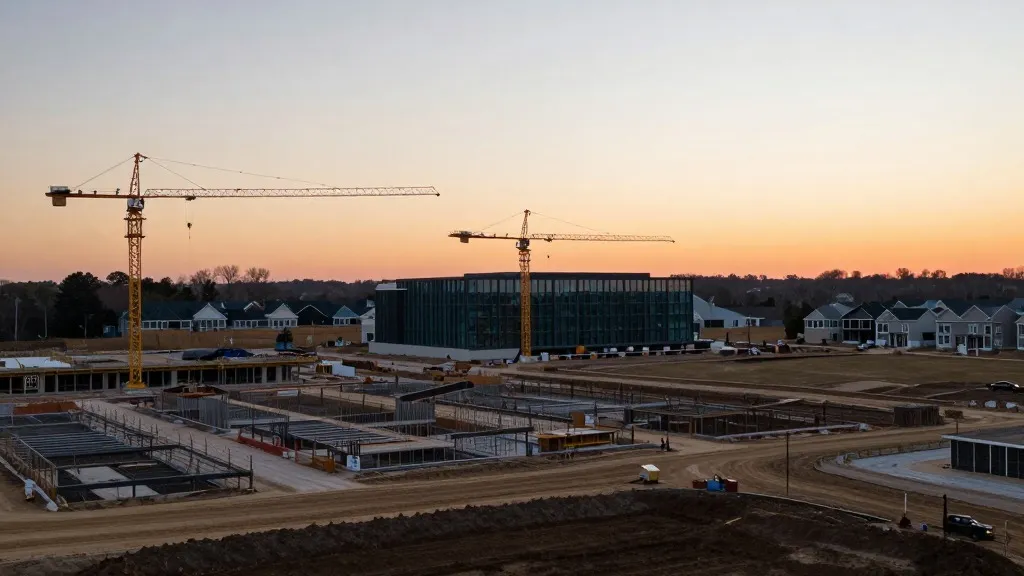
A standoff between a tech giant and a suburban community has ended with a significant change in plans for a prime piece of land in Northern Virginia. Amazon has officially scrapped its proposal to build four new data centers on the site of the former George Washington University campus in Loudoun County. Instead, the company will repurpose the majority of the 122-acre property for mixed-use and residential development. This decision marks a sharp reversal for the company, which had originally submitted its proposal in July of this year. The shift comes after intense local pushback regarding the environmental and logistical impacts of expanding data center infrastructure in the area.
The core of the conflict revolved around the strain that large-scale data centers place on local resources. Residents expressed deep concern about the noise generated by server farms and the massive amounts of power required to keep them running. Loudoun County, often referred to as Data Center Alley due to its high concentration of such facilities, has recently become more cautious about approving new projects. The local Board of Supervisors, led by Chair Phyllis J. Randall, engaged in direct talks with Amazon in September. During these meetings, county officials suggested that the company might be better served by finding an alternative use for the land rather than proceeding with the original data center buildout.
Amazon’s response highlights the tension between corporate development goals and local priorities. Josh Weissman, the company’s vice president for data center development, explained that Amazon had seized the opportunity to buy the former campus when it became available. However, he acknowledged the county’s specific concerns about the site. Weissman noted that while Amazon viewed the legal development potential differently than the county did, both parties agreed that a shared vision was preferable to costly litigation. This cooperative approach allowed the company to avoid a legal battle while still exiting a project that had become politically sensitive.
As part of the new agreement, Amazon is making substantial concessions to the community. The company will donate 25 acres of the property to Loudoun County. This land is designated for the construction of a new community arts center and a recreational facility. Additionally, Amazon will provide a $5 million donation to the county’s housing fund. These moves are designed to address the immediate needs of the community, offering residents new spaces to gather, create, and play, while also helping to increase the supply of affordable homes for working families.
The decision is set against a broader backdrop of rising demand for AI infrastructure. The rapid growth of artificial intelligence has increased the need for larger and more powerful data centers, leading to a global construction boom. However, this expansion has often led to friction with local populations who face rising electricity prices and water shortages. In just days before this news emerged, President Donald Trump called on data center builders and AI hyperscalers to pay a dividend to local communities. He also proposed that these facilities should not only generate their own electricity but also sell or give back excess energy to the grid.
Loudoun County officials are framing the outcome as a success of dialogue over confrontation. Chair Randall stated that the agreement creates valuable opportunities for the county and its residents. She emphasized that the new plan provides more attainable housing, which is a top priority for many in the region. While tech companies continue to face scrutiny over their environmental footprint and energy consumption, this case demonstrates how local negotiation power can influence major corporate infrastructure projects. The former university campus will now transform into a mixed-use community space, reflecting a compromise that balances technological growth with local quality of life.
Source: Tom's Hardware