Humanoid Robotics: Tesla pushes Optimus external deliveries to late 2027
Tesla’s Q3 earnings call reveals a shift in strategy as external Optimus deliveries are pushed to late 2027, citing persistent hardware and AI hurdles.
By Andrew Fletcher ·
Tesla has officially moved the target for delivering its Optimus humanoid robots to external customers to the end of 2027. This update, provided by CEO Elon Musk during the company’s Q3 2026 earnings call, marks the latest adjustment to a timeline that has already slipped multiple times. The delay is attributed to ongoing challenges in the robot’s artificial intelligence, electromechanical design, and overall durability.
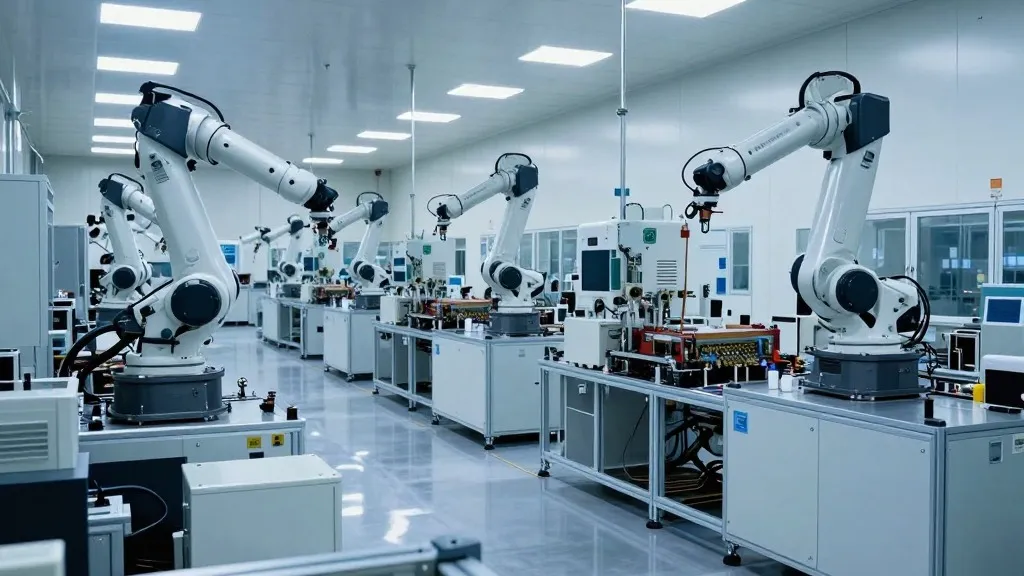
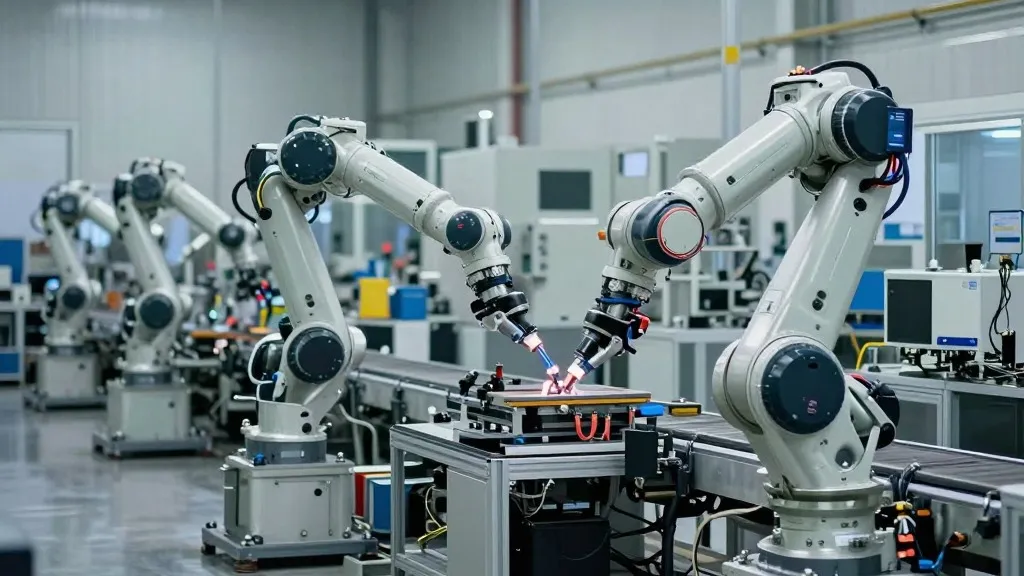
During the call, Musk stated that Tesla has initiated early production of the robot on the high-volume line in Fremont, California. This facility previously manufactured the Model S and Model X. While the majority of the production line, designed for a theoretical capacity of one million units annually, is already installed, Musk noted that reaching a production rate of 20,000 units per week will take at least another year. He explained that parts of the design are still subject to change, preventing the line from operating at full capacity immediately.
The primary technical hurdles remain the robot’s hands and its ability to generalize tasks. A Tesla Optimus engineer identified the hand as one of the most difficult hardware components to perfect. The fingers must be soft enough to manipulate delicate objects yet durable enough to withstand constant wear. Musk agreed, noting that unlike human skin, robot hands cannot heal from damage. The company also faces reliability issues with custom gears and a need to ensure the robots do not degrade after just one month of use.
On the software front, Tesla is addressing gaps in its AI architecture. Because the company lacks a large fleet of robots to collect real-world data, similar to how its cars train its FSD system, Tesla plans to build between 10,000 and 20,000 units. These robots will be used in an internal program called the Optimus Academy to practice various tasks. The company intends to integrate its AI5 chip into the Optimus platform around April 2027. Musk also promised a video within the next two months showing the robot performing unprogrammed tasks, arguing that many current industry demos rely on scripted routines that fail in practical settings.
However, the progress described is not entirely new. Reports from last month indicated that while Tesla had ramped production to hundreds of units per week, the robots struggled to adapt to new tasks. The hand and forearm components reportedly contained over 100 small parts assembled manually, with touch sensors showing reliability issues. The company’s own Q3 shareholder letter now refers to the current units as the first production-quality bots, implying that all previous iterations were not considered production-ready.
The timeline for external delivery has shifted repeatedly. In 2024, Musk suggested internal use in 2025 and high-volume external sales in 2026. By January 2025, he projected the construction of 10,000 robots that year, with several thousand performing useful work by the end of the year. He later admitted that none had achieved that status. Now, the focus is on late 2027, with initial deliveries targeted at industrial jobs that are dangerous, repetitive, or require around-the-clock operation.
Competitors are also advancing in the humanoid robotics space, despite Musk’s claim on the call that no one is close to Tesla in general-purpose robotics. XPeng, for instance, activated an automated production line for its IRON robot in Guangzhou in September. The IRON features 21 degrees of freedom in each hand and runs on XPeng’s in-house chips. The company plans mass production by the end of 2026 and deliveries starting in the first half of 2027, a timeline similar to Tesla’s. Boston Dynamics has also begun producing its electric Atlas robot, with all 2026 deployments committed, including partnerships with Google DeepMind and Hyundai.
Tesla’s competitors appear to be taking a pragmatic approach to the hand problem. Boston Dynamics, for example, has prioritized sturdy grippers suitable for industrial parts over human-like dexterity. This strategy may be less visually impressive but addresses the reliability concerns Tesla is facing. As the industry matures, the ability to make robots useful and reliable, rather than just building them, is becoming the key differentiator for all major players.
Source: Electrek