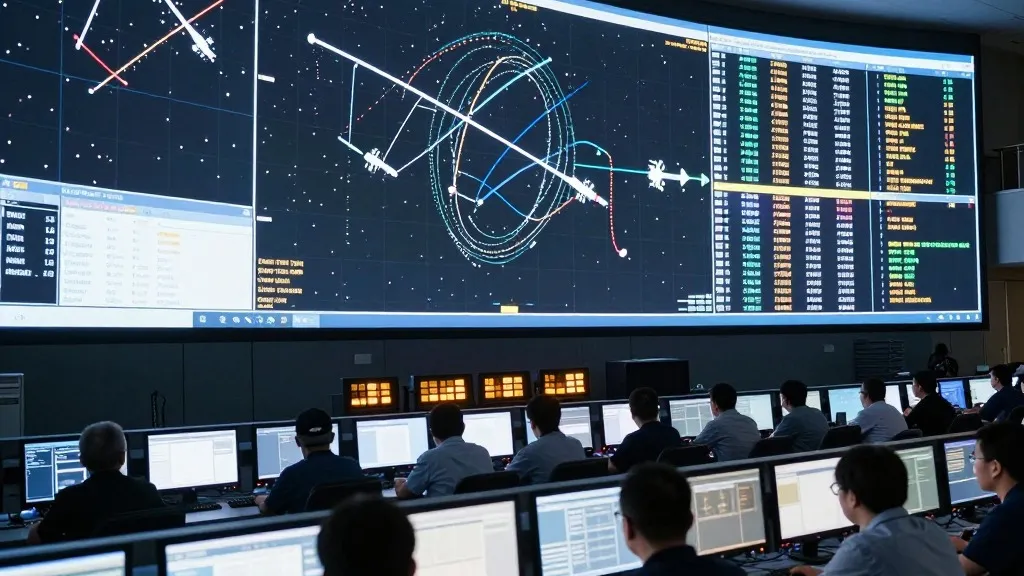
Satellite Dependence: Ukraine Seeks Alternatives Amid Starlink Instability
Ukrainian defense firms and European allies are accelerating efforts to reduce reliance on SpaceX infrastructure following recent service interruptions and political tensions.
By Luis Fernandez ·
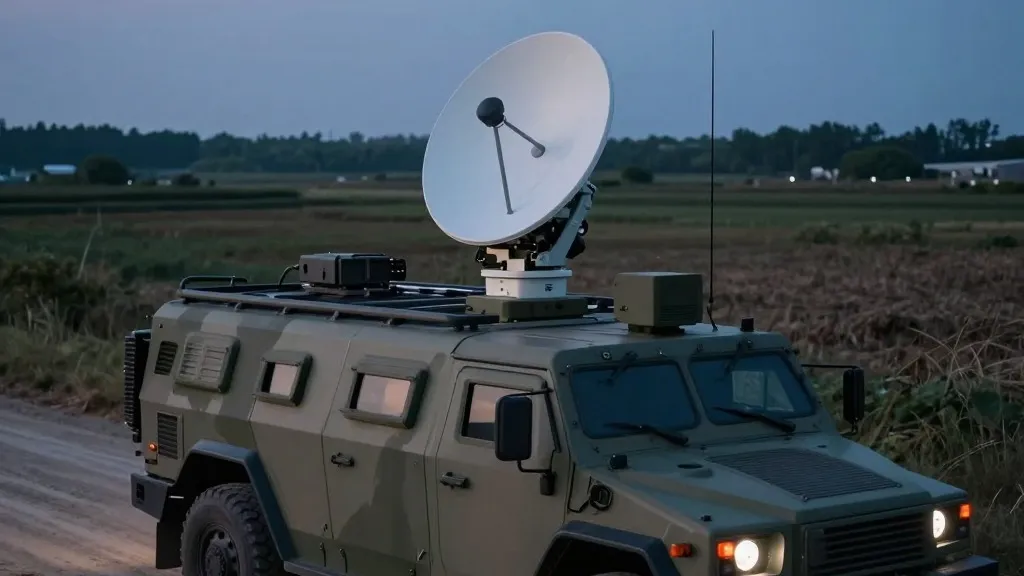
Ukrainian defense manufacturers have secured access to a military-grade communication layer called Starshield, a move that underscores the urgency to diversify their technological supply chain. This development comes after the world's largest satellite network, Starlink, experienced a series of surprise disruptions in service. These outages have forced Kyiv and its European partners to confront a critical strategic question: how does the military maintain operational continuity when the primary communication backbone is subject to the political whims of its owner, Elon Musk?
Starlink has been a cornerstone of Ukraine's resistance to Russia's full-scale invasion for several years. The network provides high-speed internet and data streams to any user or vehicle equipped with a compact terminal. This infrastructure has proven vital for civilian connectivity and military operations, particularly in enabling the remote control of drones used for air defense and offensive strikes against Russian targets. The system's ability to support these complex data streams has expanded the Ukrainian military's capability significantly, making it a central asset in the ongoing conflict.
However, the reliability of this service has come under scrutiny due to Musk's increasing political involvement. The latest service interruptions have highlighted the risks associated with relying on a single commercial entity for national security communications. As the network becomes less predictable, the pressure is mounting on Ukraine and Europe to develop or adopt alternative solutions that do not carry the same degree of commercial and political risk.
A senior hardware research and development official at the Ukrainian defense company BlueBird Tech noted that Starlink currently offers some of the best satellite coverage available. The official stated that when considering the combination of cost, availability, and ease of use, there are virtually no competitors. Despite this market dominance, the system does have practical limitations. The primary constraint is the need to position the antenna correctly to receive signals from the satellites, a requirement that can be challenging in certain battlefield conditions.
The financial structure of this support is heavily backed by Western governments. The United States, along with European nations including Poland and Germany, has paid SpaceX for tens of thousands of commercial Starlink terminals to be deployed in Ukraine. These countries are also covering the ongoing subscription fees for these units. This collective funding model has allowed for a rapid expansion of the network's footprint within Ukraine, ensuring that a large portion of the military and civilian infrastructure remains connected.
In addition to the commercial terminals, the US government has granted the Ukrainian military access to Starshield, the military-grade version of the service. According to the BlueBird Tech representative, Ukrainian defense companies are now testing their own technologies in cooperation with the military using this enhanced platform. This collaboration allows for a deeper integration of domestic defense innovations with the advanced capabilities provided by the Starshield network.
The shift in strategy reflects a broader trend among European allies to hedge their bets in the satellite communications market. While Starlink remains the dominant player, the recent disruptions have prompted a reevaluation of dependency. Governments and defense firms are exploring ways to ensure that critical communications channels remain open even if the primary provider experiences political or technical hiccups.
Looking ahead, the integration of Starshield and the testing of local technologies will be crucial for Ukraine's future operational independence. The goal is to create a more resilient communications ecosystem that can withstand external pressures. As the conflict continues, the balance between leveraging existing commercial advantages and building new, independent capabilities will define the next phase of Ukraine's technological strategy.
The situation highlights the complex intersection of defense policy and commercial technology. For national audiences, the story serves as a reminder of how critical infrastructure can become entangled in global political dynamics. The next steps will involve further testing of the Starshield integration and a continued search for complementary satellite solutions that can provide redundancy and stability for future military operations.
Source: Ars Technica