Tesla Counts Past Buyers As Subscribers
The automator's latest report includes one-time purchasers in its active subscription tally, a method that aligns with executive compensation goals.
By Jian Chen ·
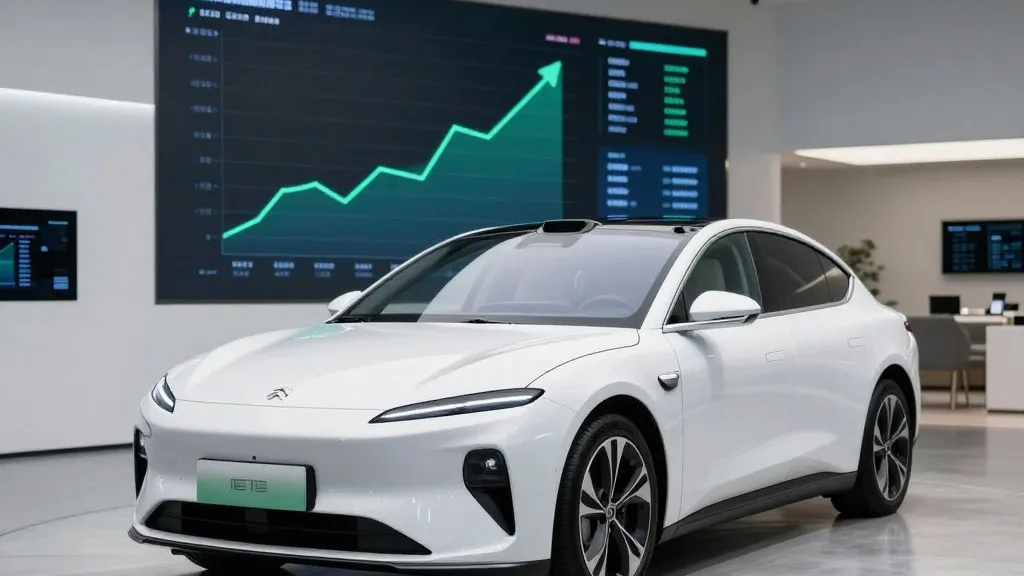
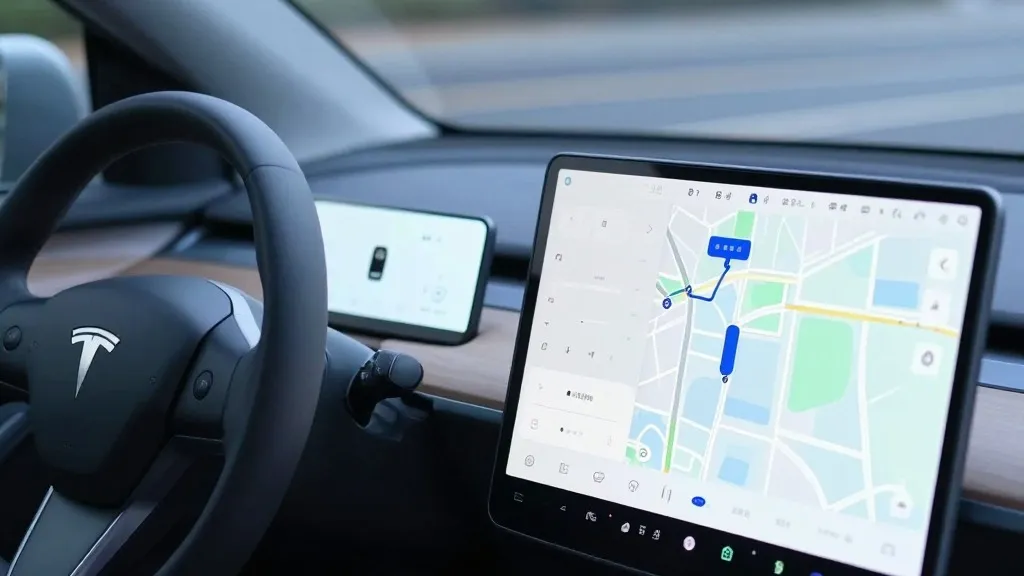
A significant discrepancy has emerged in how Tesla reports its software adoption figures, creating tension between public metrics and the financial incentives of its leadership. The company recently disclosed that it has reached 1.74 million active Full Self-Driving subscriptions, marking a 67% increase over the previous year. However, the definition used to calculate this figure includes owners who paid for the feature outright, rather than solely those paying a monthly fee. This accounting method is directly tied to the performance metrics required for Elon Musk’s 2025 CEO compensation package.
The Q3 2026 shareholder letter explicitly states that the subscription count follows the guidelines of the 2025 CEO Performance Award. According to the footnote in the report, the metric includes both upfront payments and monthly subscriptions. Consequently, customers who purchased the software years ago at prices up to $15,000 are still counted as active subscribers as long as their vehicles remain active. The only exclusions from this total are those currently on free trials. This approach raises questions about the true momentum of the recurring revenue stream versus the historical base of one-time buyers.
Tesla ceased selling Full Self-Driving as a one-time purchase on February 14, 2026. Since that date, new customers in the US have had to sign up for the $99 monthly subscription. Yet, the company has not disclosed how many of the 1.74 million total users are actually paying that monthly fee. When Tesla reported a figure of 1.28 million in April, analysts noted the same ambiguity. Six months later, that specific breakdown remains absent from the public filings, leaving investors to infer the split between legacy buyers and current subscribers.
This reporting style is consistent with other figures in the letter. Tesla’s cumulative delivery count now stands at 10.2 million. This number also includes unsupervised Robotaxis placed into commercial operation, a metric designed to align with the 20 million vehicle milestone in the CEO’s pay package. The operational milestones for the 2025 award include reaching 20 million deliveries, 10 million active FSD subscriptions, 1 million Optimus robots, and 1 million robotaxis in commercial operation, alongside specific adjusted EBITDA targets.
As of June 30, Tesla identified only one of these milestones as probable: the 20 million delivery target. The company added 260,000 net FSD subscriptions in the third quarter, its highest quarterly gain to date. If Tesla maintains this pace, it would take approximately eight years to reach the 10 million subscription goal. If it follows the average pace of the last 12 months, which was about 700,000 per year, the timeline extends to nearly 12 years. The compensation award remains valid until 2035, providing a long window for these targets to be met.
In addition to the subscription count, Tesla highlighted a 75% attach rate for new deliveries in North America during the third quarter. The company described this as a nearly 20 percentage point increase from the previous quarter. Tesla claims that Full Self-Driving is driving demand in markets where it is available. However, the letter does not define this attach rate precisely. It is unclear whether this figure includes subscriptions started with introductory offers or how many of those buyers continue paying after the initial period.
The active subscription metric excludes free trials, but Tesla does not confirm whether the same exclusion applies to the attach rate calculation. This lack of clarity complicates the assessment of customer retention. A 75% take rate on a $99 monthly product would represent a substantial business if retained, but without data on how many Q2 buyers are still paying in Q3, the long-term value of these subscriptions remains difficult to verify.
The current reporting method prioritizes alignment with the CEO’s compensation structure over standard recurring revenue metrics. While counting one-time buyers is not inherently incorrect, labeling them as subscribers may skew investor perception of growth. The board approved this definition, and the company has not provided a separate figure for monthly payers. This leaves the market waiting for clearer data on the recurring revenue engine that Tesla is positioning as a key driver of future value.
Investors and analysts are now looking for more granular data to separate the legacy base from the new subscription cohort. Until Tesla provides this breakdown, the 1.74 million figure serves as a proxy for total software penetration rather than a pure measure of recurring service adoption. The situation highlights the ongoing challenge of defining software metrics in the automotive sector, where one-time hardware purchases and recurring service models are increasingly intertwined.
Source: Electrek