Tesla Sets 2027 Date For Self-Driving Feature
The company has outlined a specific timeline for a technology that would allow vehicles to operate without a driver.
By Anastasia Volkova ·
Tesla has set a new target for when its vehicles will be able to drive themselves without a person behind the wheel, announcing that the capability will become available to owners by the second quarter of 2027. This latest date is the most recent in a series of timelines that have been communicated to buyers who purchased the Full Self-Driving software package. The company has been promising this technology for several years, and this announcement provides another specific window for when it might be delivered.
The plan, as described by AI chief Ashok Elluswamy during the company's third-quarter earnings call on October 21, 2026, involves a specific process for enabling this functionality. The goal is not simply to release a software update that would allow a car to take its owner to any destination autonomously. Instead, the rollout will begin by allowing owners to add their personal vehicles to Tesla's own managed Robotaxi network. In this system, Tesla would be operating and managing the fleet of cars, rather than the owner using the vehicle for their own travel.
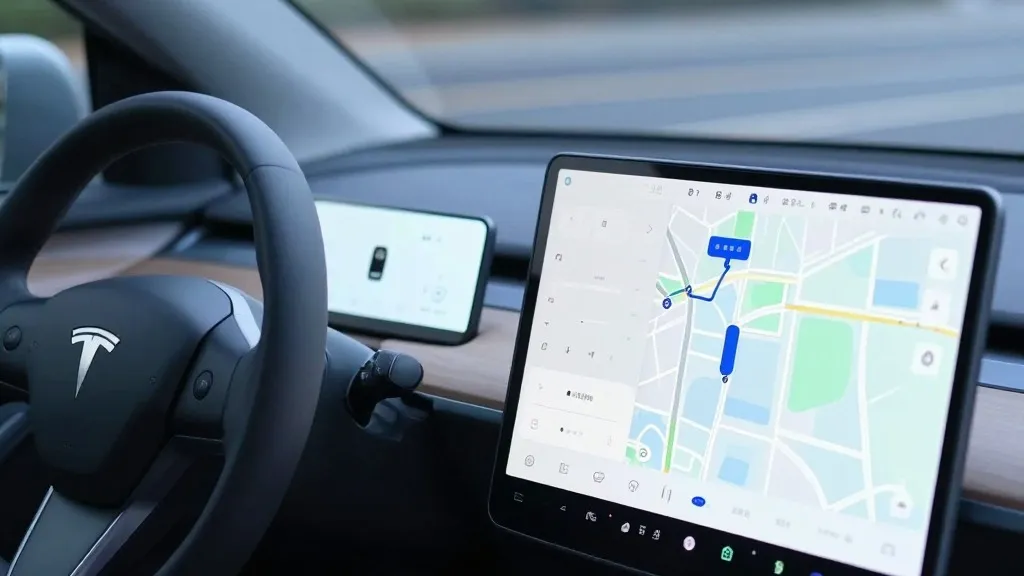
This means that a vehicle would only be able to operate without a driver within the specific geographic areas where the Robotaxi service is currently active. The service is presently available in six metropolitan areas in the United States. However, the designated zones for these services are quite limited in size. For instance, the map for the Miami service area primarily covers West Miami and a corridor extending toward Doral and Sweetwater. Similar small zones were established for the services that launched in Orlando and Tampa in July.
Within these defined areas, the vehicles are also subject to operational restrictions. The service is limited to lower-speed routes, and it generally avoids highways. Furthermore, the vehicles are programmed to steer clear of more challenging parts of a city. In the Bay Area of California, the service does not operate without a driver at all. State regulations require a safety driver to be present in every vehicle because Tesla does not wish to release the necessary data to the California DMV, a requirement for operating a system that is more advanced than level 2 automation.
The current size of the Robotaxi fleet is also a factor. By the end of the third quarter of 2026, Tesla reported that its Robotaxi service had accumulated nearly 2 million cumulative unsupervised miles. This figure was reached one month after the Cybercab vehicle joined the Austin fleet. The company's own results for the third quarter of 2026 contained this information regarding the service's mileage.
This new plan differs from the original promise made to customers who purchased Full Self-Driving software. For years, the stated goal was to provide a vehicle that could eventually drive itself to any location through a simple software update. This vision was communicated to buyers as far back as 2016. The current plan, which involves joining a managed fleet within a limited area, does not align with that original description of a car that could travel anywhere on its own.
The timeline for this capability has also been a subject of discussion. In July 2025, Elon Musk told investors that unsupervised Full Self-Driving would be available for personal use by the end of that year in certain locations. A year prior to that statement, he had indicated he would be surprised if the technology was not ready the following year. Additionally, some owners of vehicles with HW3 computers have been informed that their hardware cannot run unsupervised Full Self-Driving, and there is no clear information on an upgrade path for them.
The upcoming launch in the second quarter of 2027 is therefore a more limited offering than what was initially described to customers. The vehicle would join a fleet that is operated by Tesla, and it would only do so in specific zones designated by the company. This approach means the vehicle cannot be used for unsupervised trips on highways or for travel to locations outside of these designated service areas. The focus for now is on enabling cars to function as part of the company's existing service network within those specific boundaries.
Source: Electrek