Tesla Cybercab Hits the Market Before Year End
Private buyers can now expect to drive the two-seater robotaxi by December, though most units will initially serve the company's internal fleet.
By Andre Williams ·
The wait for private ownership of Tesla's most radical vehicle is finally over. Drivers who have been eyeing the steering-wheel-free Cybercab can now look toward the end of the year for their first chance to take one home. This development marks a concrete shift from speculation to a firm timeline, signaling that the autonomous two-seater is transitioning from a futuristic concept to a tangible product available in the near term.
Tesla confirmed this schedule during its third-quarter 2026 earnings call on October 21. Lars Moravy, the company's Vice President of Engineering, stated that the goal is to have Cybercabs in the hands of customers by the end of 2026. While production is currently active at Gigafactory Texas, Moravy clarified that nearly all units coming off the line are being directed to Tesla's internal Robotaxi fleet for the time being.
The numbers suggest a phased approach to private sales. Rather than flooding the market immediately, Tesla plans to start with small initial deliveries. This cautious rollout allows the company to refine logistics, understand ownership models, and manage fleet operations effectively. Moravy noted that as operations scale up, the company will primarily deliver these fully designed autonomous vehicles to the public, with the Cybercab leading the charge.
Elon Musk, the CEO, reinforced the idea that private ownership will remain the minority use case for this specific model. He described the Cybercab primarily as a "transport-as-a-service" offering. According to Musk, the vast majority of these vehicles will remain Tesla-owned assets. This distinguishes the Cybercab from traditional models like the Model 3, Model Y, or the upcoming Roadster, which are designed for personal ownership.
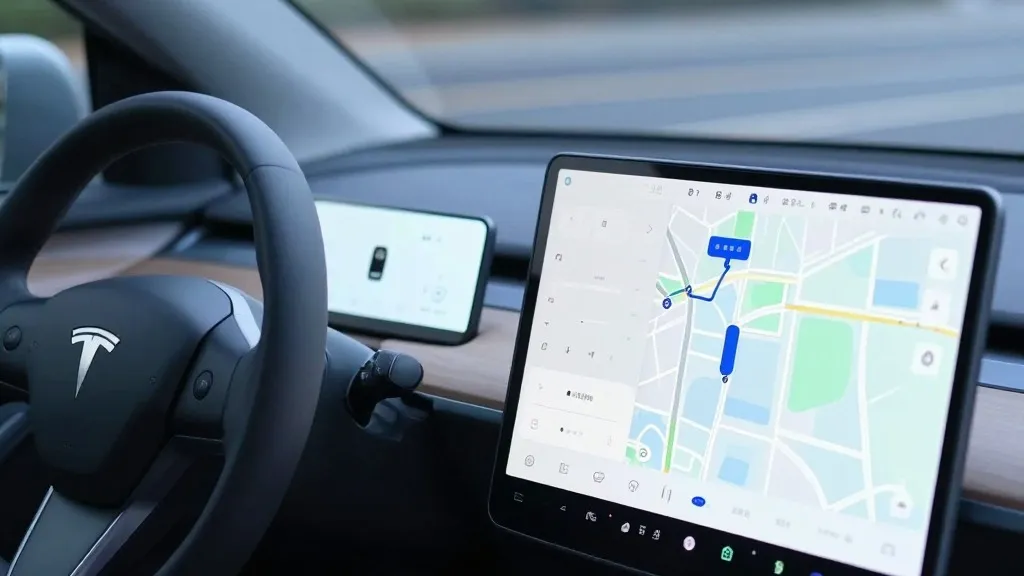
The vehicle itself is a two-seater designed without a steering wheel or pedals. It relies entirely on Tesla's Full Self-Driving software to operate. Production of the Cybercab has been underway since February of this year. The company began putting early units into its public Robotaxi service in early September, allowing the public to experience the technology before private sales commence.
Price expectations have been set in the market at approximately $30,000 for the vehicle. This price point was previously indicated by Tesla and aligns with the company's strategy to make autonomous transportation accessible. The focus remains on the service aspect, where the car is a tool for mobility rather than a personal possession.
Looking further ahead, Ashok Elluswamy, Tesla's Head of AI, indicated that unsupervised Full Self-Driving capabilities are expected to ship to consumer cars during the second quarter of 2027. This timeline suggests that while the Cybercab will be available now, the broader rollout of fully autonomous features across the company's lineup is still a few quarters away.
Some hurdles remain before the full delivery process is smooth. Early buyers or fleet operators may receive vehicles whose autonomous operation is geographically restricted. These limitations are largely due to lagging regulatory agencies that need time to approve the technology for wider use. As Tesla navigates these regulatory landscapes, the initial phase of Cybercab ownership will likely be a test run for the future of autonomous private transport.
Source: Teslarati